
Running on Empty?
China's Russian Energy Risk

Running on Empty? China’s Russian Energy Risk
Days after the US and Israel launched Operation Epic Fury against Iran on February 28, 2026, the Chinese government published the draft of its 15th Five-Year Plan for the PRC economy, which outlines key economic benchmarks for the next five-year economic cycle. Building new energy infrastructure is a key priority and among the projects listed there was a intriguing sentence about “advancing preliminary work” on the Power of Siberia 2 gas pipeline from Russia to China.
Given the disruption and outright destruction of oil deliveries from the Middle East via the Persian Gulf, there has been renewed speculation about China’s willingness to commit to the construction of the Power of Siberia 2 gas pipeline. This is unlikely. Changes in China’s energy mix provide some respite in the short term and Beijing has opted already for more gas from Turkmenistan. Moreover, Russia’s interests in Iran may not support the stable energy market China prefers since the war in Iran stands to benefit Moscow through increased energy prices and diminished focus on Ukraine.
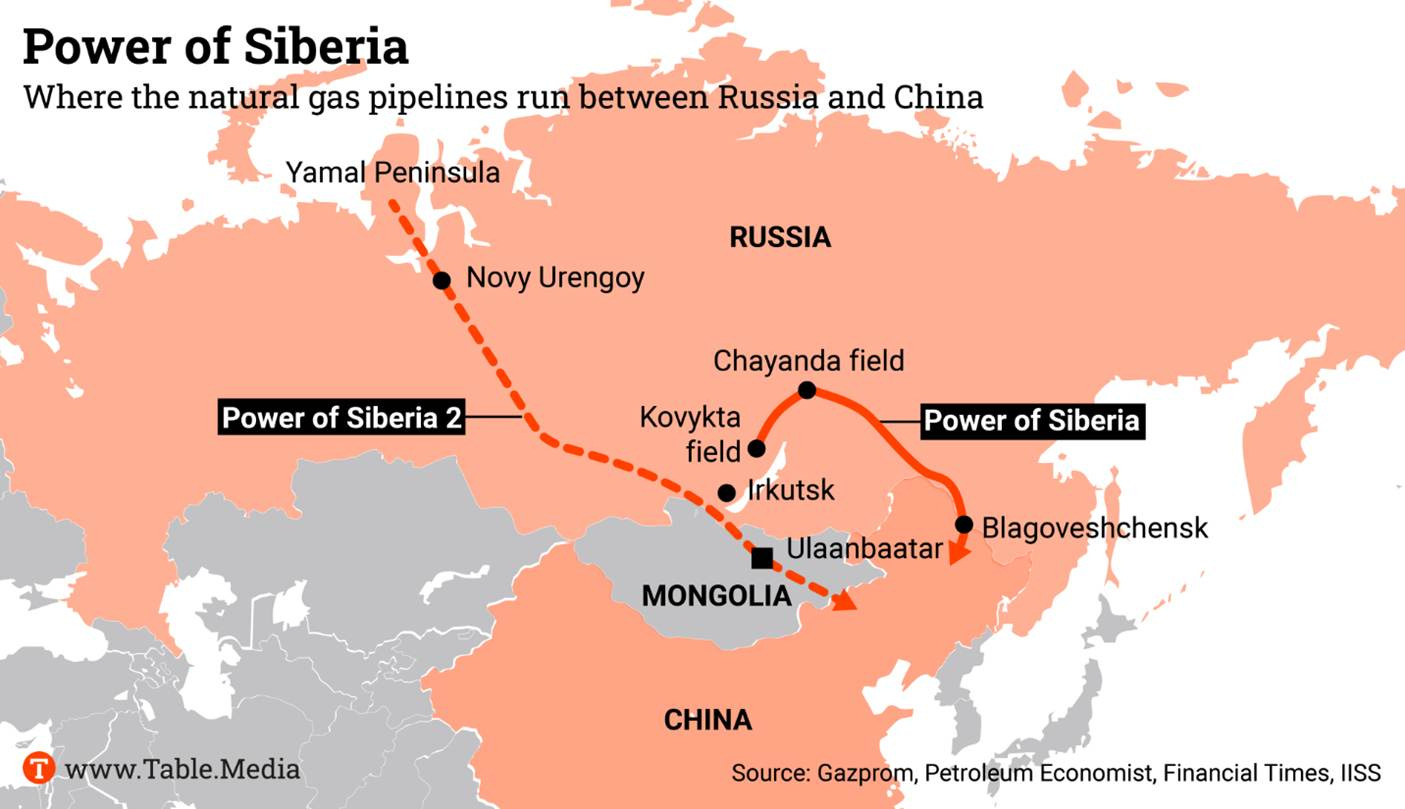
As China’s Resource Risks reported in September, despite Russian efforts at persuasion, China has not yet committed to the Power of Siberia 2 gas pipeline which would transport gas from Yamal in the Russian Arctic via Mongolia to Northeast China. The letter of intent Presidents Putin and Xi signed last fall may be legally binding, but there is still no agreement to date on the crucial issue of pricing. For Putin, the pipeline is crucial to his efforts to find a new market for pipeline gas previously sent to Europe.
Last fall Xi felt he had the luxury of waiting for lower gas prices and weighing other options, especially a fourth pipeline from Turkmenistan. What about now? Does the turmoil in the Persian Gulf make greater Sino-Russian energy cooperation more likely? Although it is true that China receives 42% of its oil and 31% of its liquid natural gas (LNG) from the Persian Gulf, China’s energy security is not yet in dire straits—at least in the short term—for several reasons.
Assessing China’s Energy Supply Risks
China is still receiving Iranian oil. Prior to the onset of hostilities, China received at least 13% of its oil from Iran at a discount via the Iranian shadow fleet (additional deliveries were believed to be routed through third countries such as Malaysia). For Iran, the Chinese market has been a crucial lifeline—more than 80% of Iranian oil goes to China. There were some reports of the Iranian Revolutionary Guard Corps (IGRC) and the General Staff of the Iranian Armed Forces seeking to leverage an arms for oil swap with the PRC firm, Houkun Energy, run by former PRC military officers. IGRC representatives reportedly visited China in October 2025 in pursuit of this deal, but it is unclear if it was ever finalized. The United States Treasury previously sanctioned the company for a 2022 oil purchase from the IGRC. Officially China claims it has not received any Iranian oil since the imposition of stricter international sanctions on the sector in 2020-21.
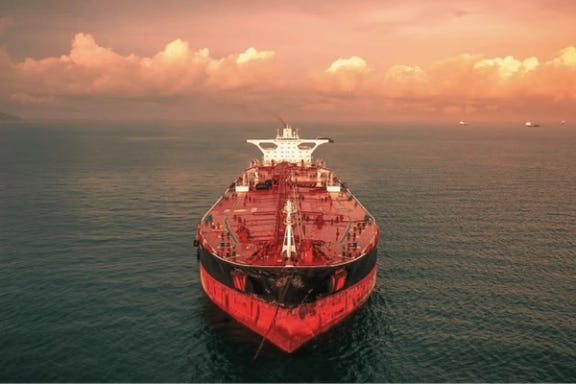
Vessel believed to be transporting sanctioned Iranian oil to China. Source : https://www.iranintl.com/en/202512186544.
China stockpiled reserves in the months leading up to the war in Iran. China has at least 1.2 billion barrels of oil in reserves, approximately 3-4 months of consumption. On March 16th, Fu Linghui, spokesperson at the PRC National Bureau of Statistics, contended in response to the Trump Administration’s efforts to involve China in reopening the Strait of Hormuz that the Chinese energy supply was ‘relatively strong.’ China also has restricted the export of refined oil products since the onset of hostilities. The 15th Five-Year Plan projects additional measures to expand oil reserves.
The share of fossil fuels in China’s energy consumption is declining. Renewables now account for 42% of energy consumption thanks to a substantial increase in solar and wind power. China also has been investing massively in coal-to-gas technology, which reduces its vulnerability to interruptions in gas supplies. However, this has led to increased coal consumption, imperiling China’s decarbonization targets. China is the world’s largest producer of coal and sources most of its coal domestically.
Russia and China’s Energy Security
Given China’s evolving energy picture, is the Chinese government likely to seek more dependence on Russian energy?
China has viewed overland supplies of Russian oil and gas as well as seaborne LNG shipments from the Russian Arctic as important for energy security. Overland supplies reduce risks from maritime chokepoints like the Strait of Hormuz, while Russian Arctic LNG enables China to involve a strategic partner in its circle of suppliers, which also include Qatar, Australia, and the United States. Russia has become one of China’s top energy partners and their energy ties are central to their overall relationship. In 2025 19% of PRC energy imports came from Russia and energy constituted 40% of bilateral trade. Russia is now China’s top gas supplier, providing 30% of pipeline gas and approximately 23% of LNG by the end of 2025. Russia is also China’s largest supplier of oil, accounting for 18% of imports. China has sought to diversify its sources of supply, however, turning to countries such as Angola, and more recently, Brazil.
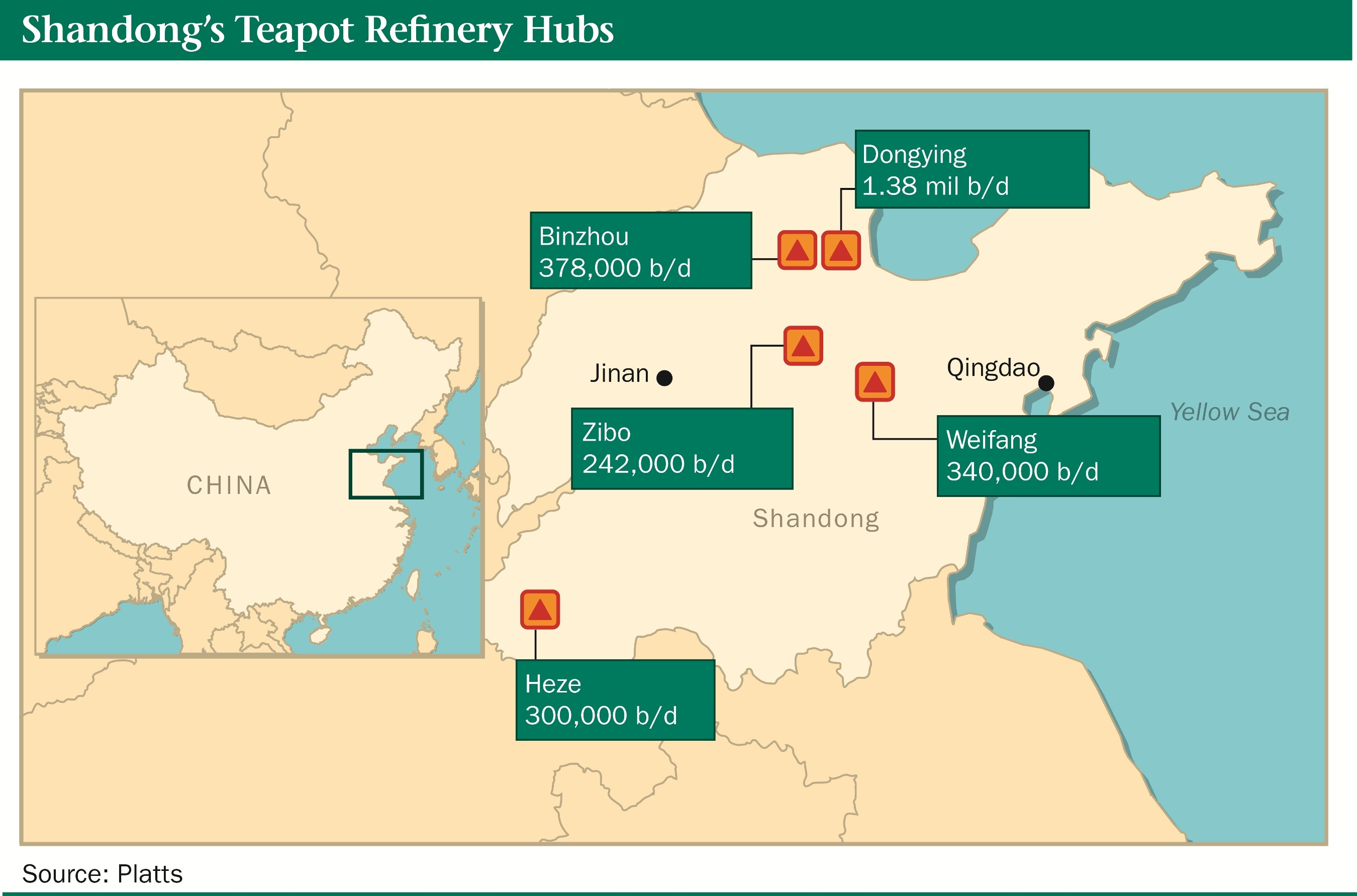
China’s small independent refineries known as teapots, primarily located in Shandong Province, may be in more of a bind. First, they lost the Venezuelan oil after the US intervention—imports are likely to fall 74% this year. The teapots, which depend on low-cost heavy fuels to earn a profit, then reoriented to Iranian oil. Should Iranian oil become harder to obtain, these refineries would need to increase their imports from Russia.
As the price of oil increases to $97 a barrel at this writing, Russian analysts are gleeful at the potential boost to Russia’s economic position. A Chinese media report noted “Russia’s secret joy” in the windfall from the changing energy market. According to Alexei Grivach, Deputy General Director of Gas Projects at the Russian Energy Security Fund, the war in Iran is making Russian energy resources more attractive and encouraging substantial long-term cooperation.
For some Chinese observers, Russian anticipation of China’s greater need for Russia’s energy resources does not sit well and belies Moscow’s desire for dominance. “Sino-Russian cooperation is based on equality and mutual benefit, not on one side depending on the other,” a Chinese netizen writes.
Renewed hope for Power of Siberia 2?
Given the current instability in energy markets, will China take a second look at the Power of Siberia 2 gas pipeline? Its inclusion in the draft of the 15th Five-Year Plan means it’s still under consideration, but a commitment to continuing preparatory work over the next five years is less than a ringing endorsement. In addition to the previous issues to be negotiated with Russia, such as pricing, now complicated by the sharp rise in global energy prices, differences in PRC and Russian interests in the war may prove to be another obstacle.
For Russia, the ongoing war in Iran provides some major advantages—increased energy revenue, a pause in some oil sanctions by the US, less attention and military support by the US for Ukraine. Although China also gains from the diversion of US military assets to the Middle East, the Chinese economy would benefit from a resumption of regional stability, especially in energy markets.
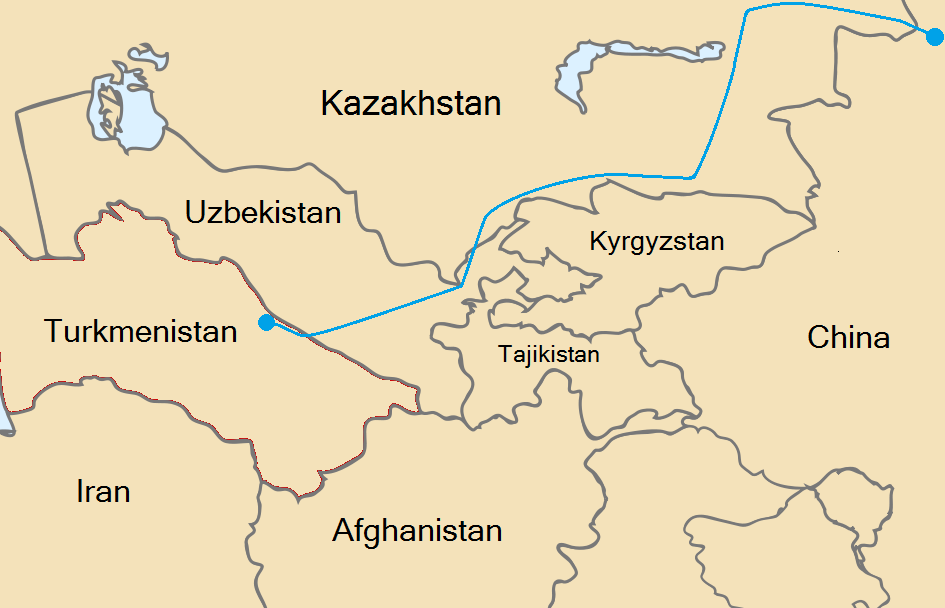
Approximate rendering of Line D from Turkmenistan to China. Source: https://en.wikipedia.org/wiki/Central_Asia%E2%80%93China_gas_pipeline.
In light of these differences, it is not surprising that the fourth gas pipeline from Turkmenistan to China is the project that is moving forward. Known as Line D, this pipeline would increase gas deliveries to China from 40bcm per year to 65. With all the uncertainty in China’s neighborhood due to the war in Iran and military conflict between Pakistan and Afghanistan, expanding energy ties with Turkmenistan may seem to be the most stable alternative.